
Untitled Art is pleased to launch a new editorial series on Collection Building as part of the Untitled Edit, offering informal conversations with collectors who engage meaningfully with the fair. Conceived as an open and accessible exchange, the series shares personal perspectives, practical guidance, and lived experiences to inspire and inform a new generation of collectors. Through demystifying the act of collecting, this initiative aims to emphasize curiosity, intuition, and sustained engagement as meaningful entry points.
We are pleased to feature Judy Nyquist for the first iteration of the ongoing series. Based in Houston for over seventeen years, Judy has played a significant role in the city’s cultural ecosystem through her role as a collector and her longstanding philanthropic work. As a member of the Untitled Art, Houston Founding Host Committee, she is part of a group of patrons whose deep ties to the region help bring meaningful connection and momentum around the fair. Her perspective offers an early glimpse into the spirit of this series, grounded in curiosity, generosity, and a thoughtful approach to living with art.
Below, Judy reflects on her journey as a collector, the values that shape her approach, and the experiences that continue to inform her relationship to art.

Untitled Art (UA): Where did you start collecting? Do you remember the first work you purchased?
Judy Nyquist (JN): As an art history major, I probably began "collecting in my mind" early in college. That is to say, I thought often about what it would have been like to meet Rembrandt, for example. What would it have been like to sit for a portrait, and experience the sounds and smells of a working studio. But, from an early age I was "collecting," be it marbles or pennies; there was a joy in assembling and displaying them.
The first work that I intentionally purchased to keep and display prominently was a very small photograph of a homemade tart on a colorful plate. It was from the MFA degree show at the Royal College of Art in London. I don't remember the artist or the very modest price, but I still have the piece, and the genre of still life remains a deep interest of mine.
UA: What is your collecting philosophy, and do you have advice to emerging collectors for how to meaningfully develop theirs?
JN: I am sure that you hear this often, but we buy what we love. While visual appeal is supremely important, the work also needs an intellectual and emotional element; challenging the viewer is even better. We often gravitate toward work where the artist is breaking new ground in their own practice. Ultimately, it needs to be something that makes us smile or piques our curiosity every day and does not become part of the woodwork.
For emerging collectors, the most important thing is to look relentlessly and with intention at museums, fairs, galleries, artists' studios, and public places. Experience art in real time to develop your eye and preferences. Take short courses offered at museums and continuing education outlets, look at auctions, and join affinity groups at your local museums. Trust yourself and your eye, build slowly and with purpose. Likewise, if something really speaks to you, grab it. There are no wrong answers, and tastes change; that is natural. Don't let the market drive your collecting; your primary goal should never be art as investment.
UA: What advice would you give to someone who feels intimidated by the art world but wants to start collecting?
JN: If you are curious and genuine and appreciative, anyone worth their salt in the greater art world will be thrilled to welcome you and your inquiries. While there might appear to be a hierarchy and hidden protocol, your sincerity will be clear to gallerists and artists. It is true that some galleries have long-term client relationships, but all collectors start somewhere. Be confident and listen.
UA: Can you speak about one artist that you discovered and purchased at Untitled Art?
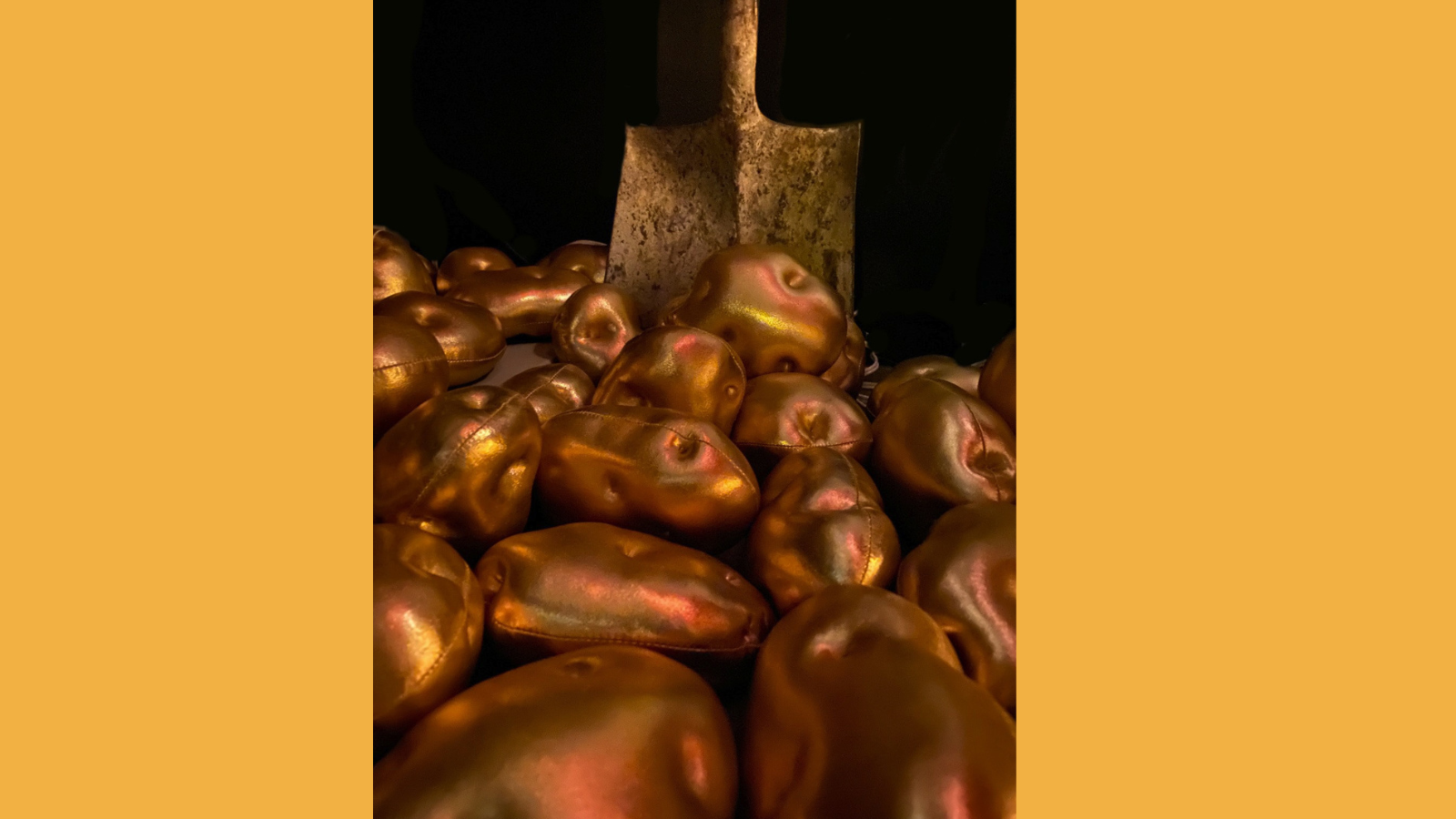
JN: I visited Untitled Art, Houston 2025 every day last year. As far as formerly unknown artists [to me], I purchased small works at two international galleries that I would not have seen on my regular travels. At SGR Galeria (Bogotá), I acquired a set of small ceramic potatoes by Ernesto Restrepo Morilla, whose work was shown as a Special Project called ‘Cosecha de papas (Potato Harvest),’a long-term project initiated in 1992 that explores an alternative interpretation of the Discovery of America. I was very intrigued by this idea, and the modest potatoes appealed to my love of trompe l'oeil.
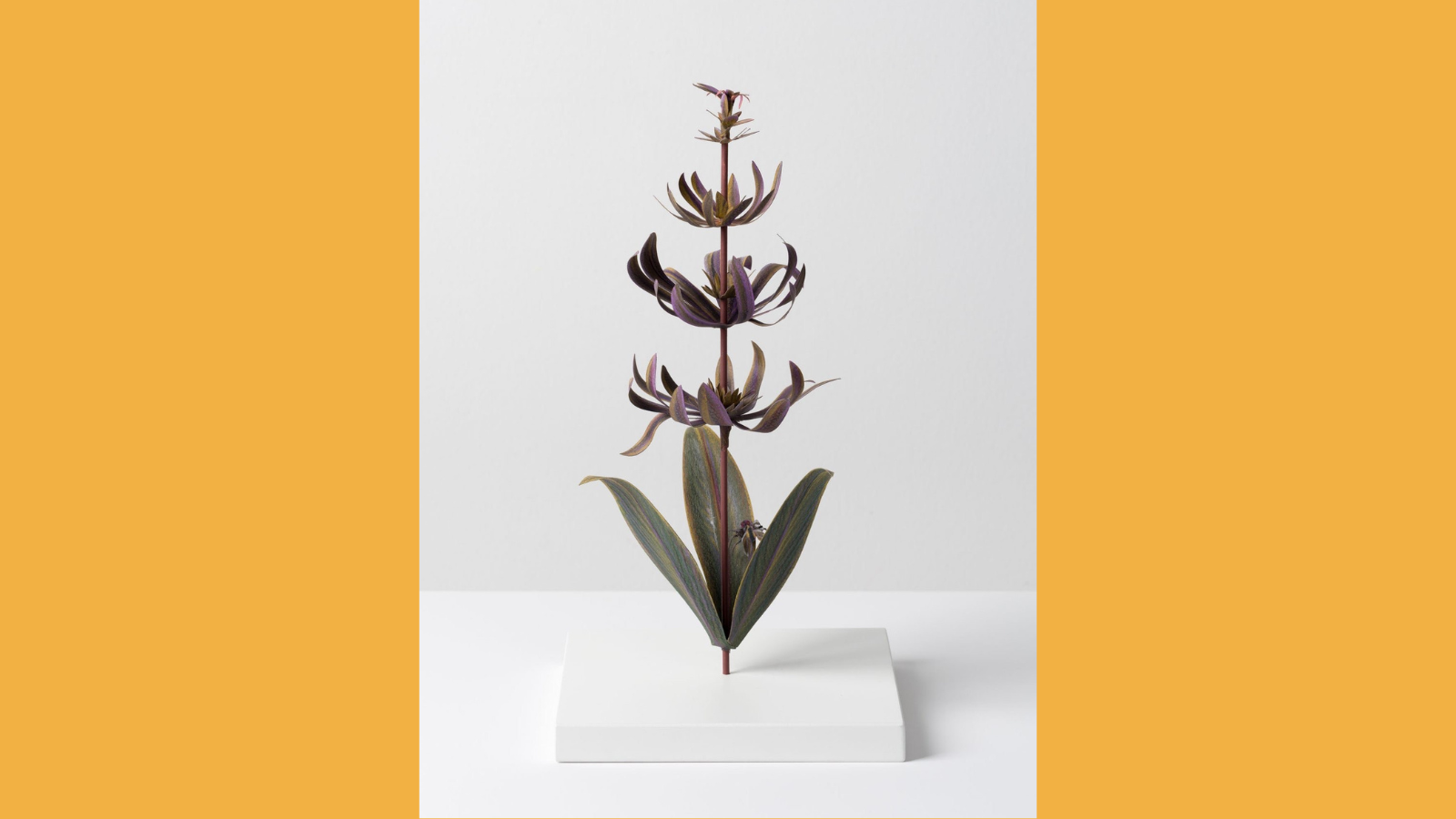
The second is a lovely, delicate paper sculpture by Winnie Truong, who was featured at Patel Brown (Toronto/Montreal). Her piece elevates this "weed" to consequential status and into an impressive three-dimensional still life.
UA: Can you share advice for how an emerging or aspiring collector can approach Untitled Art as a first-time buyer?
JN: To do Untitled Art justice, it is wise to visit more than once. The opening evening is full of energy and a good time to get a lay of the land and see what might interest more detailed attention. If you can possibly get back to the fair at a quiet time (like Friday from opening through early evening), you will have a chance to engage with gallerists and artists. Be sure to sign the gallery guest book and take the contact information for the representative you spoke with. Go to the scheduled curatorial tours at the fair and attend the excellent panel talks.
Never be afraid to ask questions and don't feel as if you need to rush into a sale. Never buy under pressure; but if you love something, there is nothing more gratifying than taking it home!!